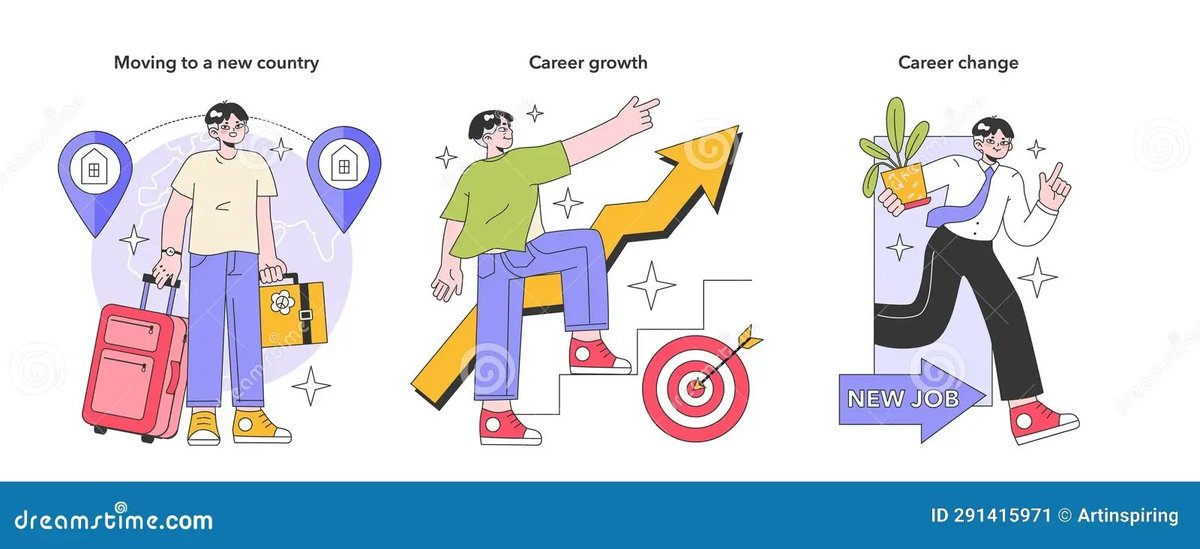
Life unfolds in a series of moments, each a whisper or a shout, shaping who you are and where you’re headed. But in the rush of daily living, these profound moments, your Personal Life & Family Milestones, often blur into the background. Imagine having a vivid, tangible record of your journey—not just a list of events, but a testament to your courage, growth, and the unique story only you can tell. That's the power of a personal milestones timeline.
It's more than just remembering dates; it's about seeing the arc of your resilience, appreciating your progress, and giving meaning to the experiences that have profoundly changed you. This isn't about vanity; it's about self-understanding, powerful storytelling, and unlocking future potential.
At a Glance: Your Milestones Timeline in a Nutshell
- Why it matters: Gain perspective, boost confidence, spot patterns, and share your unique story effectively.
- What to include: Achievements, breakthroughs, and meaningful moments that required significant effort or marked a turning point.
- How to start: Define categories, identify true milestones (10-30 per decade), and gather details.
- Format options: Digital for flexibility and sharing, physical for tangible reflection.
- Make it visual: Use color, icons, photos, and breaks to enhance clarity.
- Ongoing benefits: Review regularly to spot success patterns, build confidence, identify growth gaps, and celebrate intentionally.
Why Your Life Story Deserves a Timeline
Think of your life as an epic novel, constantly being written. A personal timeline isn't just a table of contents; it's the highlight reel, the turning points, and the character development all laid out before you. It transforms scattered memories into a cohesive narrative, offering clarity and a deeper appreciation for your journey.
The Unseen Power of Documenting Your Wins
For many, life feels like a relentless march forward, sometimes a struggle. We often focus on what’s next or what went wrong. A milestones timeline shifts that perspective.
- Gain invaluable perspective: Stepping back allows you to see the bigger picture of your journey. Those career wins, personal breakthroughs, and life-changing decisions that felt huge (or tiny) at the time? They gain new meaning when viewed in sequence.
- Anchor significant moments: Without documentation, even the most profound experiences can fade, losing their vividness and impact. Your timeline acts as a personal archive, preventing these vital moments from becoming mere ghosts of the past.
- Build a personal "win" collection: When facing new challenges or self-doubt, recalling past triumphs is a potent motivator. Your timeline provides tangible proof of your capabilities and resilience, a personal pep talk always at your fingertips. It's a fantastic tool for boosting self-confidence when you need it most.
- Spot patterns in success and growth: Do certain environments or types of challenges consistently bring out your best? A timeline can reveal recurring themes in your motivations, strengths, and conditions for success, helping you replicate those patterns.
- Powerful proof for the future: Whether you're crafting a job application, writing a scholarship essay, or simply planning your personal development, a well-documented timeline offers concrete, compelling evidence of your achievements and growth.
Crafting Your Unique Narrative: Steps to Build Your Milestones Timeline
Ready to start mapping out your story? The process is less about rigid rules and more about mindful reflection. Here’s a practical guide to bringing your timeline to life.
1. Define Your Achievement Categories: Where Does Your Story Shine?
Before diving into dates, decide what kind of story you want to tell. You don't have to capture every single thing; focus helps. Start with 2-3 broad categories, and you can always expand later.
Common and powerful categories include:
- Career: Promotions, job changes, significant projects, skills acquired, mentorships.
- Educational: Graduations, certifications, major research projects, scholarships.
- Personal Breakthroughs: Overcoming a fear, significant self-discovery, major health achievements, mastering a new skill.
- Creative: Publishing a book, completing a major art piece, learning an instrument, performances.
- Relationship: Forming deep friendships, marriage, having children, significant family reconciliations.
- Financial: Buying a home, paying off debt, starting a successful investment, achieving a savings goal.
Quick Tip: Don't feel limited by these. Maybe "Travel & Adventure" is a huge category for you, or "Community & Impact." Choose what truly resonates with your life.
2. Identify True Milestones: Beyond Mere Events
This is where you sift through memories to find the gold. A true milestone isn't just an event; it's a moment that mattered. It's about quality, not quantity. Aim for 10-30 genuinely impactful milestones per decade.
Ask yourself these clarifying questions for each potential entry:
- Did it require significant effort, courage, or persistence?
- Did it mark a turning point in your life or perspective?
- Did it change how you see yourself or the world?
- Did it push you significantly out of your comfort zone?
- Did it make you profoundly proud?
- Did you learn something incredibly valuable from it?
- Would your past self be amazed or inspired by this achievement?
Example: Getting a driver's license might be a milestone for the independence it brought. But learning to drive a manual car on challenging mountain roads after failing your test twice? That's a true milestone, highlighting grit and skill acquisition.
3. Gather the Details: Reconnecting with the Past
Once you've identified your milestones, it's time to flesh them out. This step is like being your own investigative journalist.
For each milestone, collect the essentials:
- Exact or approximate date: "Summer 2019" or "Spring 2005" is perfectly acceptable if you don't have the precise day. Focus on chronological order and significance.
- Brief description: What happened? (e.g., "Graduated college with honors," "Launched my first successful freelance business").
- Context/Significance: Why was this important? What challenge did it present, or what meaning did it hold for you? (e.g., "Overcame severe procrastination to finish my thesis," "The project nearly failed, teaching me invaluable leadership skills").
Optional, but enriching, details: - Photos or videos: Visual anchors bring memories to life.
- Key supporters: Who helped you along the way?
- Obstacles overcome: What challenges did you face and conquer?
- Influence on future events: How did this milestone pave the way for something else?
- A relevant quote: A personal reflection or an inspiring saying connected to the moment.
Where to dig for memories: - Old calendars and planners: Great for exact dates.
- Emails and digital archives: Correspondence often marks project starts, job offers, or significant personal news.
- Photo albums and social media feeds: Visual cues can unlock forgotten details.
- Journals, diaries, or even old blog posts: Your own words are the richest source of context and emotion.
- Conversations with family and friends: They might remember details you've forgotten or offer a fresh perspective. Preserving these memories is also key to preserving family history for future generations.
4. Choose Your Timeline Format: Digital or Tangible?
The best format is one you'll actually use and enjoy. Many people find value in maintaining both a digital and a physical version.
Digital Timelines: For Flexibility and Modern Storytelling
- Tools: Platforms like Canva, Notion, Trello, Google Docs/Sheets, or dedicated timeline software (e.g., Aeon Timeline) are excellent.
- Pros:
- Easy to update: Add new milestones effortlessly.
- Shareable: Easily share with family, friends, or for professional use.
- Interactive features: Link to photos, videos, documents.
- Professional presentation: Great for resumes, portfolios, or personal branding.
- Searchable: Quickly find specific events.
- Cons: Requires screen time, can feel less personal than a physical artifact.
Physical Timelines: For Tangible Reflection and Creative Expression
- Tools: Large paper rolls, poster boards, scrapbooks, dedicated journals.
- Pros:
- Tangible display: A physical object you can touch, display, and revisit offline.
- Creative expression: Incorporate handwriting, drawings, physical mementos.
- Screen-free reflection: A calming, intentional way to connect with your past.
- Heirloom potential: Can be passed down through generations.
- Cons: Less flexible for updates, harder to share digitally, can take up physical space.
5. Add Visual Meaning: Making Your Story Pop
A well-designed timeline isn't just readable; it's engaging. Visual elements make it easier to digest, more memorable, and more personal.
- Color-coding: Assign a different color to each category (e.g., green for career, blue for personal, red for relationships). This offers an immediate visual scan of your life's focus.
- Icons: Use small, intuitive icons to represent categories or specific event types (e.g., a graduation cap for education, a heart for relationships, a mountain for overcoming a challenge).
- Vary entry sizes: Make more impactful milestones stand out with larger text, bolder formatting, or more prominent placement.
- Photos and visuals: Integrate photos for major events. A picture truly can tell a thousand words and evoke strong emotions.
- Visual breaks: Divide your timeline into "life chapters" or decades with clear headers or background changes. This helps to visualize periods of intense growth or transition.
Different Lenses for Your Life Story: Examples of Personal Timeline Types
While your ultimate timeline might combine many elements, sometimes focusing on a specific aspect of your life can offer particular insights.
- Significant Life Events Timeline: This focuses on the seismic shifts—moments that fundamentally changed your life's direction. Think marriage, the birth of children, major moves, health scares, or profound personal breakthroughs. These are often the stories told and retold within families.
- Career Development Timeline: A powerful tool for professionals, this highlights your professional growth arc. Include job changes, promotions, major projects led, significant skills gained, and even pivotal mentors or career decisions. It's an excellent resource for anyone looking to refine their effective goal setting for career advancement.
- Daily Routine Timeline: While not a "milestone" in the traditional sense, mapping out typical daily activities for a week or month can reveal priorities, habits, and areas where you might want to invest more energy or make changes. It helps answer: "Where does my time really go?"
Common Milestones That Shape a Life Story
While every individual journey is unique, certain universal experiences resonate across cultures and generations. Capturing these common Personal Life & Family Milestones helps preserve memories, connect generations, and tell a rich, relatable story.
Here are some of the moments often documented, reflecting the human experience from beginning to end:
- Being born: The ultimate starting point.
- First words: A monumental step in communication.
- First day of school: Entry into formal education and social structures.
- First friend: A foundational moment of connection.
- First kiss: A significant step in romantic development.
- Driver's license: A symbol of independence and freedom.
- Voting: Engagement with civic responsibility.
- Falling in love: A profound emotional experience.
- High school graduation: A transition into adulthood.
- First job: Stepping into the professional world.
- Death of a loved one: A moment of profound grief and often, personal growth.
- College graduation: Further education and specialization.
- Marriage: A significant commitment and partnership.
- First home: Establishing roots and financial milestone.
- Having children: A life-changing event marking parenthood.
- Job changes: Professional evolution and new challenges.
- Health scares: Moments that redefine perspective and priorities.
- Retirement: A new chapter of leisure and reflection.
- End of life: The final chapter, often honored by those who remain.
Your personal timeline will likely include many of these, interwoven with countless other moments that are uniquely yours. Each adds a stroke to the masterpiece of your unfolding narrative.
Beyond the List: Actionable Insights from Your Timeline
Creating the timeline is just the first step. The real magic happens when you use it as a tool for self-discovery, growth, and empowerment.
Spot Success Patterns: Unlocking Your "Flow State" Conditions
Review your timeline every six months, or whenever you're feeling stuck. Look for correlations:
- What conditions were present when you achieved your best work?
- What types of challenges energized you most?
- Who were your key supporters during your biggest wins?
- Are there recurring themes in your motivations or the environments where you thrived?
Identifying these patterns can help you intentionally seek out or create similar conditions in your current life, leading to more consistent success and personal satisfaction. This analytical approach can reveal powerful insights for your personal growth strategies.
Build Confidence: Your Personal Resilience Reminder
Before a big presentation, a challenging negotiation, or embarking on a new venture, take five minutes to scroll through your timeline. Remind yourself of the obstacles you've overcome, the skills you've acquired, and the sheer grit you've demonstrated. That promotion you landed, that difficult project you completed, that personal fear you conquered – they're all there, proving what you're capable of. This is your personal highlight reel, ready to fuel your self-belief. Even public figures like Your Prime Jessica Alba guide likely benefit from reflecting on their journey and pivotal moments.
Identify Gaps: Where to Invest Your Energy
Sometimes, a timeline reveals not just what you've done, but what you haven't. Do you see a heavy emphasis on career achievements but a sparse record of personal relationships or creative pursuits? Your timeline can act as a gentle nudge, signaling areas where you might want to intentionally invest more energy or set new goals. It's a visual representation of your life balance, or lack thereof.
Share Your Story Powerfully: Interview & Networking Ace
In interviews, networking events, or even difficult conversations, your timeline provides a wellspring of compelling stories. Instead of generically listing skills, you can confidently highlight specific achievements, connect them to your current goals, and illustrate your growth trajectory. "I learned X during Y project, which directly applies to Z challenge..." becomes a much more impactful narrative. Your timeline helps you answer "Tell me about yourself" with authentic depth.
Celebrate Intentionally: Acknowledging Your Efforts
Life moves fast. It's easy to achieve something and immediately move on to the next task. Make it a practice to add new milestones to your timeline immediately upon achievement. Then, take a moment to acknowledge its meaning. Who helped you? What did you learn? How has it changed you? This intentional celebration reinforces your efforts and builds a positive feedback loop, fueling your motivation for future endeavors.
Key Considerations for Making Your Timeline Truly Yours
As you embark on this personal journey, a few common questions and considerations might arise. Here's how to navigate them:
What Truly Belongs in Your Timeline?
Focus on achievements (both external accomplishments and internal growth) that required significant effort, marked a turning point, or fundamentally changed your direction. If a moment still resonates with you, and you find yourself thinking about it or drawing strength from it, it likely belongs.
How Many Milestones Are Enough?
Quality trumps quantity. Aim for 10-30 genuinely impactful milestones per decade. This range ensures you're capturing significant events without getting bogged down in every minor detail. The goal is a clear narrative, not an exhaustive encyclopedia.
How Should You Organize It?
Most people find a chronological organization most intuitive, as it naturally shows progression and cause-and-effect. However, organizing by category (e.g., all career milestones together, all relationship milestones together) can be highly effective if you're focused on a specific area of growth or development. You might even use a hybrid approach, with a primary chronological flow segmented by overarching life chapters, each highlighting dominant categories.
Should Setbacks and Failures Be Included?
Absolutely. A truly authentic journey isn't just a highlight reel. Include setbacks, disappointments, and failures that ultimately led to growth or became turning points.
- A job rejection that pushed you toward a better opportunity.
- A failed project that taught you invaluable leadership or technical lessons.
- A personal struggle that deepened your empathy or resolve.
These moments add authenticity, illustrate resilience, and often contain the most profound lessons. They show the full arc of your growth, not just the peaks.
How Much Detail Is Necessary for Each Entry?
Start with an approximate date, a brief description, and a sentence or two explaining its significance. For particularly pivotal milestones, you might add more context, mention key supporters, detail the obstacles you overcame, or reflect on the lessons learned. A few sentences are often sufficient to capture the essence. You can always elaborate later if you choose.
What if You Can't Remember Exact Dates?
Don't let perfect be the enemy of good. Approximate dates like "Summer 2019," "Early 2005," or "around my 25th birthday" are perfectly acceptable. The focus is on the order and significance of events, not forensic precision. Use any available resources (old photos, emails, shared memories) to help jog your memory, but don't get stuck on trying to find an exact day if it's elusive.
Honor Your Path, Discover Your Future
Creating a personal life and family milestones timeline is an act of deep self-reflection and a profound gift to your future self. It’s about more than just remembering; it’s about understanding the unique tapestry of your life, appreciating every thread, and gaining insight into how you've grown. By honoring the path that belongs only to you, you gain clarity, confidence, and a powerful sense of purpose to guide you forward.
Start today. Gather those photos, write down those memories, interview a family member, or just sit quietly and reflect. Your unfolding story is magnificent, and it deserves to be seen.